
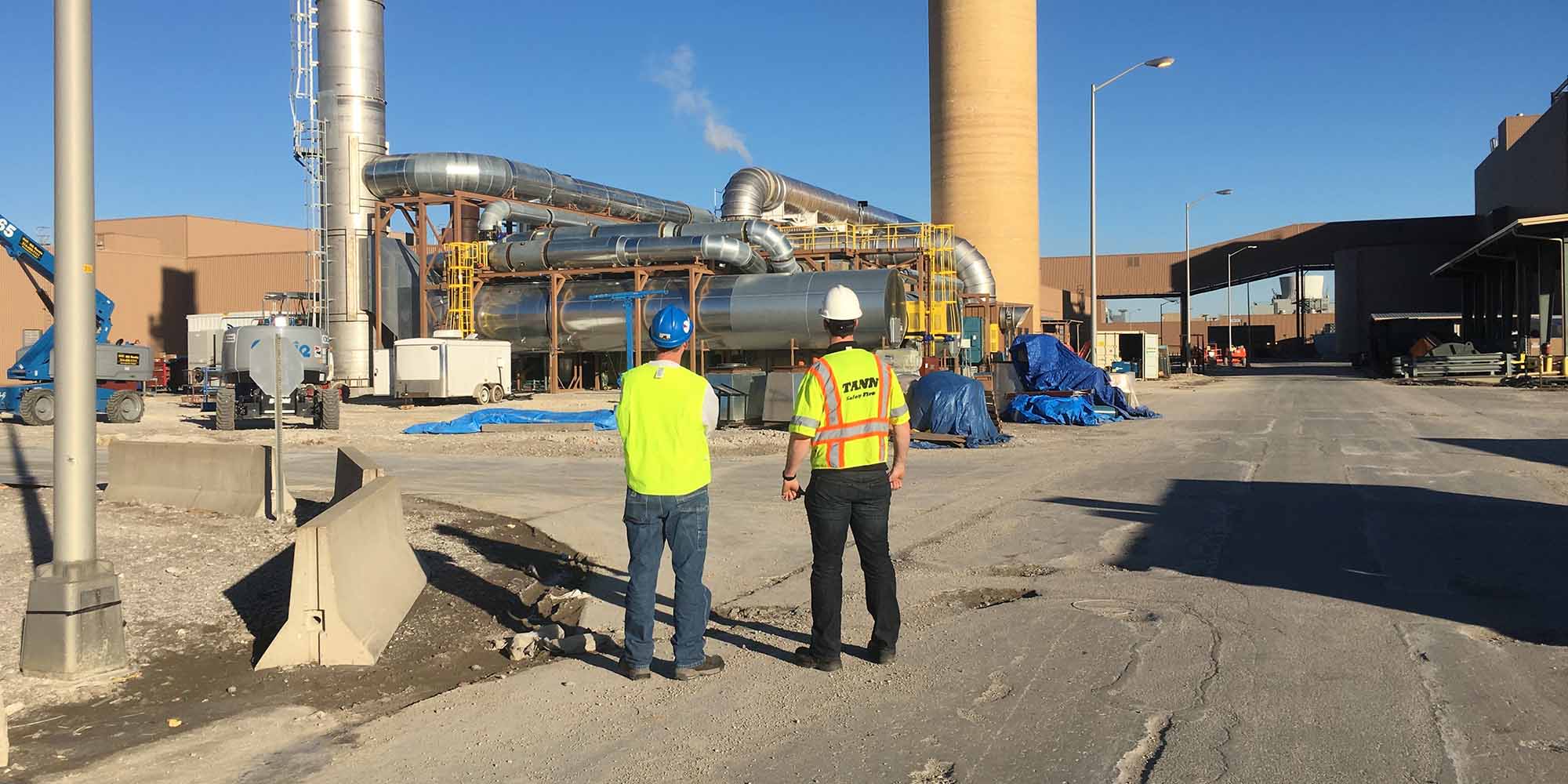
Industrial air pollution control has evolved from a regulatory burden into a strategic priority for manufacturers worldwide. Tightening emission standards, increased enforcement activity, and growing stakeholder expectations have elevated air quality management to the executive level at facilities across every manufacturing sector. Companies that implement effective control programs protect their operating permits, their workers, and their relationships with surrounding communities.
Manufacturing processes generate diverse air pollutants requiring equally diverse control approaches. Volatile organic compounds, hazardous air pollutants, particulate matter, and odorous emissions each demand specific technologies matched to their characteristics. Understanding available options and their applications enables informed equipment selection that delivers reliable compliance at reasonable cost.
Why Industrial Air Pollution Control Matters
Regulatory compliance provides the most immediate motivation for pollution control investment. The Clean Air Act and its state-level counterparts establish emission limits that facilities must meet to maintain operating permits. Violations trigger penalties ranging from fines to mandatory shutdowns, with repeat offenders facing criminal prosecution in severe cases. The cost of proper control equipment pales against these potential consequences.
Worker health and safety represent equally compelling reasons for effective emission control. Many industrial air pollutants cause acute effects like respiratory irritation and headaches at elevated concentrations. Long-term exposure to certain compounds increases cancer risk and causes chronic health conditions. Controlling emissions at the source protects employees who spend their careers in manufacturing environments.
Community relations increasingly influence facility operations and expansion plans. Neighbors notice odors, visible emissions, and air quality impacts from industrial operations. Public complaints trigger regulatory scrutiny and complicate permit renewals. Facilities that control emissions effectively maintain positive relationships that support long-term operational stability.
Corporate sustainability initiatives now include air quality metrics alongside energy and water consumption. Customers, investors, and employees evaluate companies partly on environmental performance. Demonstrating responsible emission management supports brand reputation and stakeholder relationships that affect business success beyond regulatory compliance.
Types of Industrial Air Pollutants
Manufacturing operations generate several categories of air pollutants, each presenting distinct control challenges. Volatile organic compounds encompass thousands of carbon-based chemicals that evaporate readily and react in the atmosphere to form smog. Hazardous air pollutants represent a subset of particularly toxic compounds that the EPA regulates under specific standards. Particulate matter includes solid and liquid particles that affect respiratory health and visibility.
VOCs originate from painting, coating, printing, chemical processing, and countless other manufacturing operations. Solvents used in coatings, inks, adhesives, and cleaning agents evaporate during application and drying, releasing organic compounds to facility exhaust systems. The specific compounds vary by industry and process, but thermal oxidation effectively destroys most VOC types.
Hazardous air pollutants include 188 compounds that the EPA identifies as causing cancer, neurological damage, reproductive effects, or other serious health impacts. Facilities emitting more than 10 tons per year of any single HAP, or 25 tons of combined HAPs, qualify as major sources subject to Maximum Achievable Control Technology standards. Meeting these requirements typically demands high-efficiency destruction equipment.
Particulate matter ranges from visible dust to microscopic particles that penetrate deep into respiratory systems. Manufacturing operations generate particulate through grinding, welding, material handling, and combustion processes. Control typically involves filtration rather than oxidation, though some processes produce both particulate and VOC emissions requiring combined approaches.
Odorous compounds may or may not qualify as regulated pollutants but still require control to maintain community relations. Rendering plants, food processors, and chemical facilities often face odor complaints that demand treatment even when formal emission limits do not apply.
Thermal Oxidation Technologies
Thermal oxidation has established itself as the dominant technology for VOC and HAP destruction in industrial applications. These systems expose contaminated exhaust to temperatures high enough to break molecular bonds, converting organic pollutants to carbon dioxide and water vapor. Four main thermal oxidizer configurations serve manufacturing facilities, each offering distinct advantages for specific applications.
Regenerative thermal oxidizers (RTOs) dominate high-volume, continuous applications because they recover up to 97% of combustion heat through ceramic media beds. This exceptional efficiency minimizes fuel consumption and operating cost, making RTOs economically viable even for large exhaust volumes with low pollutant concentrations. Destruction efficiencies exceed 99% with proper design and maintenance.
Catalytic oxidizers achieve pollutant destruction at lower temperatures by using precious metal or base metal catalysts to accelerate oxidation reactions. Operating at 500°F to 700°F rather than 1,500°F reduces fuel consumption significantly. However, catalyst poisoning by silicones, sulfur, and other compounds limits applications to clean exhaust streams.
Recuperative thermal oxidizers (RTO) use metal heat exchangers to preheat incoming exhaust, achieving 50% to 70% heat recovery. These systems tolerate particulates better than ceramic media, making them suitable for dusty exhaust streams. The simpler mechanical design reduces capital cost compared to regenerative systems.
Direct-fired thermal oxidizers operate without heat recovery, offering the lowest capital cost but highest fuel consumption. These systems suit applications with high pollutant concentrations that provide combustion heat, or intermittent operations where limited annual hours make efficiency less important.
Other Air Pollution Control Technologies
While thermal oxidation dominates VOC and HAP control, other technologies address different pollutant types or serve niche applications where oxidation proves impractical. Selecting appropriate technology requires matching equipment capabilities to specific pollutant characteristics and process conditions.
Baghouses and fabric filters capture particulate matter by passing exhaust through filter media that traps solid particles. These systems achieve collection efficiencies above 99% for most particulate types and sizes. Regular filter replacement or cleaning maintains performance. Facilities generating both particulate and VOC emissions often install filtration upstream of thermal oxidizers to protect ceramic media from fouling.
Wet scrubbers remove pollutants by contacting exhaust with liquid spray or flowing liquid films. These systems effectively capture acid gases, some particulate matter, and water-soluble compounds. Scrubbers generate wastewater requiring treatment, adding complexity compared to dry systems. Some facilities use scrubbers downstream of thermal oxidizers to neutralize acid gases formed during halogenated compound combustion.
Carbon adsorption systems concentrate VOCs onto activated carbon beds, removing pollutants from exhaust streams without destroying them. Periodic regeneration or replacement manages the collected material. These systems work well for solvent recovery applications where captured VOCs have economic value. For most manufacturing applications, thermal destruction provides simpler, more reliable compliance.
Biofiltration uses microorganisms to metabolize organic compounds into carbon dioxide and water. These systems offer low operating costs for appropriate applications but require careful environmental control and struggle with load variability. Most industrial VOC sources exceed biofiltration capabilities.
Designing an Effective Air Pollution Control System
Successful industrial air pollution control begins with comprehensive emission characterization. Identifying all pollutant sources, measuring actual emission rates, and understanding how emissions vary with production provides essential data for system design. Facilities that rely on estimates or assumptions risk installing equipment that fails to meet compliance requirements.
Source testing quantifies emissions under actual operating conditions. Many facilities discover that measured emissions differ significantly from calculations based on material usage or emission factors. Testing reveals not only total emission rates but also concentration profiles that affect equipment selection and sizing.
Capture system design determines what fraction of generated emissions reaches the control equipment. Properly designed hoods, enclosures, and ductwork maximize capture efficiency, while inadequate systems allow pollutants to escape untreated. Permanent total enclosures provide the highest capture rates for coating and printing operations where feasible.
Equipment sizing ensures the control system handles actual exhaust volumes and pollutant loads across all operating conditions. Undersized equipment creates compliance failures or production constraints. Oversized equipment wastes capital and operates inefficiently. Accurate process data enables right-sized equipment selection.
Controls integration connects pollution control equipment with process operations and facility management systems. Automated startup sequences, safety interlocks, and data logging satisfy regulatory requirements while minimizing operator burden. Modern systems provide remote monitoring capabilities that enable rapid response to abnormal conditions.
Maintaining Air Pollution Control Equipment
Installing capable equipment establishes the foundation for compliance, but ongoing maintenance determines whether performance continues meeting requirements. Neglected equipment degrades over time, eventually causing permit violations despite initial capability. Preventive maintenance programs preserve performance and prevent costly failures.
Thermal oxidizer maintenance focuses on components that affect destruction efficiency and thermal performance. Ceramic media inspection identifies degradation that reduces heat recovery. Valve maintenance prevents leakage that allows untreated exhaust to bypass the combustion chamber. Burner service ensures reliable temperature control. Refractory inspection catches deterioration before it causes structural problems.
Filtration systems require regular filter replacement or cleaning to maintain airflow and collection efficiency. Differential pressure monitoring indicates when filters need attention. Neglecting filter maintenance increases fan energy consumption and eventually causes compliance failures as collection efficiency drops.
Scrubber systems need chemical feed monitoring, liquid distribution verification, and periodic cleaning to maintain absorption efficiency. Inadequate maintenance leads to scaling, plugging, and corrosion that degrade performance and require expensive repairs.
Facilities that implement professional maintenance programs routinely achieve 99%+ equipment uptime and maintain design performance levels for decades. The cost of planned maintenance represents a fraction of emergency repair expenses and compliance penalties that result from neglect.
Compliance Documentation and Recordkeeping
Regulatory compliance extends beyond installing and operating effective equipment to include documentation demonstrating ongoing performance. Complete records satisfy regulatory requirements, support permit applications, and provide evidence of responsible operation during inspections. Facilities with thorough documentation programs experience smoother regulatory interactions.
Operating logs capture the parameters that indicate proper equipment function. Temperature readings, pressure measurements, flow rates, and operating hours demonstrate that control equipment runs within design specifications. Modern control systems generate this data automatically, but facilities must retain records for regulatory review.
Maintenance records document the work performed to keep equipment operating properly. Inspection findings, repairs completed, and parts replaced demonstrate proactive management. These records prove valuable during regulatory inspections and when applying for permit modifications.
Stack test reports verify destruction efficiency under actual operating conditions. Most permits require periodic testing, with results submitted to regulatory agencies. Maintaining historical test records demonstrates consistent compliance over time.
Deviation reports document any periods when equipment operated outside normal parameters or permit limits. Prompt reporting of deviations and corrective actions demonstrates responsible operation and often reduces regulatory consequences compared to unreported problems discovered during inspections.
Final Thoughts
Industrial air pollution control has matured from a compliance obligation into a comprehensive discipline that protects facilities, workers, and communities. Selecting appropriate technology, designing effective systems, and maintaining equipment properly delivers decades of reliable performance that satisfies regulatory requirements and supports business objectives.
Manufacturers evaluating pollution control options should consider the full scope of their emission sources and compliance obligations before selecting equipment. Thermal oxidation provides proven VOC and HAP destruction for most industrial applications, with regenerative systems offering the best combination of efficiency and operating cost for high-volume sources.
TANN Corporation’s engineers have been designing regenerative thermal oxidizer systems for 40+ years, serving manufacturers across every industry with VOC compliance requirements. Our engineering team evaluates each application individually, recommending system configurations optimized for specific exhaust characteristics and compliance obligations. From initial assessment through installation and decades of ongoing support, we deliver complete emission control solutions. Contact us today for a free quote or to learn more.