
What is a Regenerative Thermal Oxidizer (RTO)?
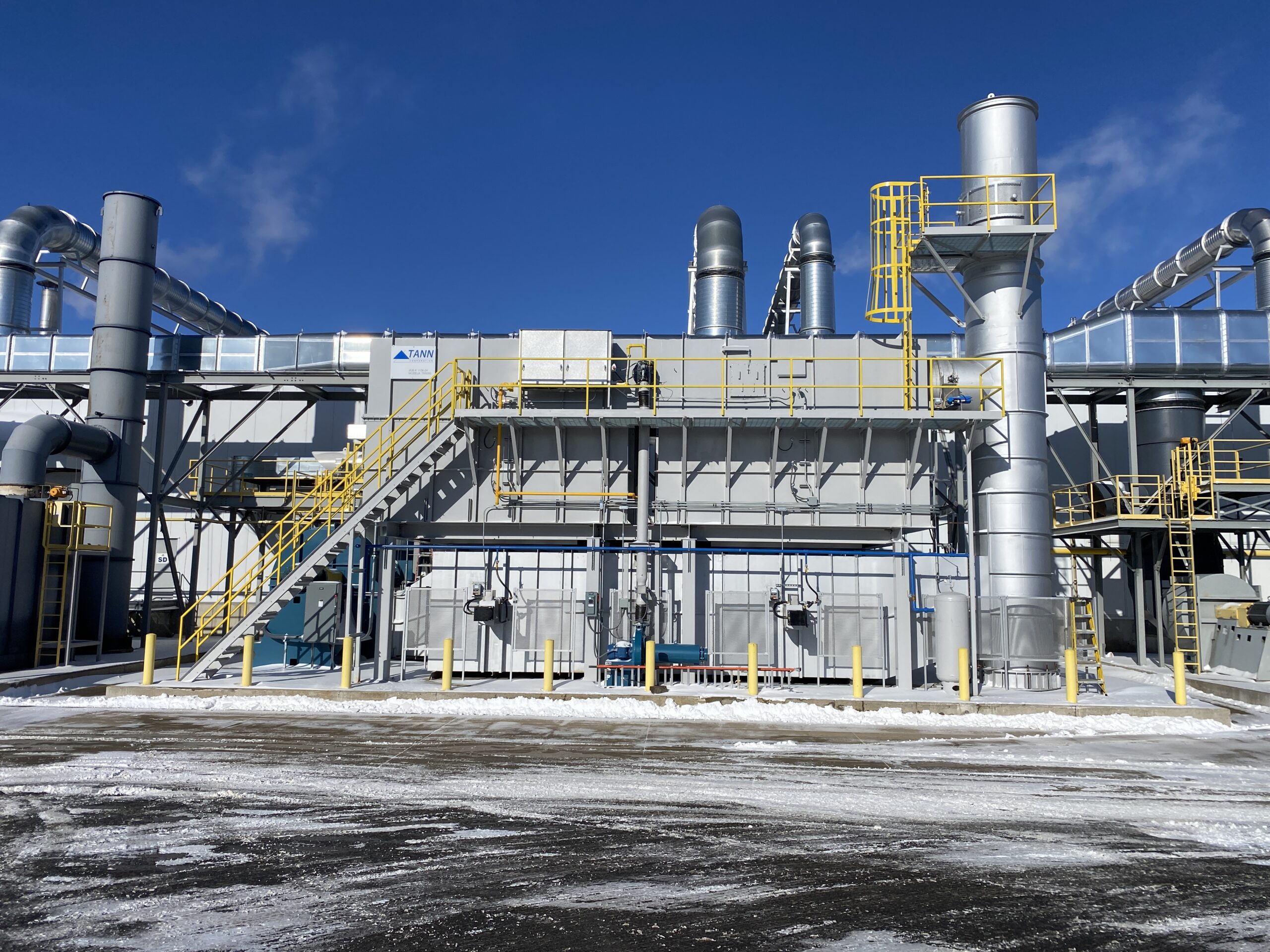
A regenerative thermal oxidizer (RTO) is an industrial air pollution control system designed to destroy volatile organic compounds (VOCs), hazardous air pollutants (HAPs), and other process emissions generated during manufacturing. RTO systems use high-temperature oxidation combined with regenerative heat recovery to achieve destruction efficiencies exceeding 99% while maintaining strong long-term energy performance.
How a Regenerative Thermal Oxidizer Works
A regenerative thermal oxidizer destroys air pollutants through a controlled high-temperature oxidation process. The system collects contaminated air from manufacturing processes and directs it into a combustion chamber, where temperatures typically range between 1,400°F and 1,800°F. At these temperatures, organic compounds break down into carbon dioxide (CO₂) and water vapor (H₂O).
However, temperature alone does not determine performance. Effective destruction requires three key factors: temperature, residence time, and turbulence. Proper RTO design ensures that process air remains at the required temperature long enough to fully oxidize pollutants while maintaining uniform flow throughout the chamber.
What differentiates an RTO from other oxidizer technologies is its regenerative heat exchange system. Ceramic media beds capture heat from the outgoing clean air stream and transfer it to incoming contaminated air. This continuous heat recovery process significantly reduces fuel consumption and allows the system to maintain stable operation even under changing process conditions.
Key Components of an RTO System
A regenerative thermal oxidizer operates as an integrated system. Each component directly impacts destruction efficiency, pressure drop, and long-term reliability.
Ceramic Heat Exchange Media
Ceramic media beds form the foundation of the regenerative process. These structured media blocks store thermal energy from the exhaust stream and transfer it to incoming contaminated air. High-quality media design minimizes pressure drop while maximizing heat transfer efficiency. Over time, media condition and cleanliness directly impact system performance.
Combustion Chamber
The combustion chamber provides the controlled environment required for oxidation. Engineers design this chamber to maintain consistent temperature profiles, adequate residence time, and proper mixing of process air. Burner systems supplement heat when solvent concentrations are low, ensuring stable operation across varying load conditions.
Poppet Valves
Poppet valves control airflow direction through the ceramic beds. These valves cycle at regular intervals, allowing the system to alternate flow paths and maintain the regenerative heat exchange cycle. Valve sealing performance is critical. Leakage reduces efficiency and can directly impact destruction performance.
Industries That Use Regenerative Thermal Oxidizers
RTO systems are used in applications where high airflow volumes and variable solvent concentrations make other control technologies less effective. These systems perform well in continuous manufacturing environments where consistent emissions control is required.
The industries below highlight common applications, but RTO systems can be configured to perform across a broad range of operating conditions and are not limited to these environments.
Aerospace
Engine test stands
Silicone coating
Wood finishing
Gravure printing
Web offset printing
Film
Foil
Pharmaceutical
Asphalt
Metal coil coating
Coil / radiator manufacturing
Filtration
Paper converting
Waste water
Odor control
Animal rendering
Paint industry
Things to Consider When Selecting an RTO
Selecting the correct RTO system requires a detailed understanding of process conditions. Engineers must evaluate multiple variables to ensure the system performs reliably under all operating scenarios.
Airflow Capacity: RTO systems are sized based on total process airflow (CFM). However, design must account for peak flow conditions, process variability, and system turndown requirements. Improper sizing can create operational instability or excessive energy consumption.
VOC Concentration: Solvent concentration directly impacts thermal efficiency. High concentrations may allow for autothermal operation, while low concentrations require supplemental fuel to maintain temperature.
Process Conditions: Temperature, moisture content, and particulate loading influence system design. High particulate streams may require pre-filtration to prevent media fouling.
Materials of Construction: Standard systems use carbon steel, but corrosive environments often require stainless steel or specialty alloys to ensure durability.
Why Design Matters
Engineering decisions made during system design directly affect long-term performance. A well-designed RTO maintains stable operation, minimizes maintenance requirements, and delivers consistent compliance over time. Poor design increases operating costs and reduces system reliability.
Available RTO Add Ons
RTO systems are rarely one-size-fits-all. Facilities often require additional features to support maintenance access, operational flexibility, and integration with existing plant systems.
Maintenance Platforms: Provide safe access for inspection and service, reducing downtime and improving safety.
Control Rooms: Climate-controlled enclosures protect sensitive instrumentation and improve operator usability.
Hot Gas Bypass: Allows temperature control during startup and process fluctuations.
Fan Configurations: Induced or forced draft systems are selected based on process layout and pressure requirements.
Tandem Operation: Multiple RTO units can operate together for redundancy or increased capacity.
Spare Parts Packages: Reduce downtime by ensuring critical components are available when needed.
RTO Energy Recovery
Energy recovery is one of the primary advantages of regenerative thermal oxidizers. By capturing and reusing heat, these systems significantly reduce operating costs compared to other thermal oxidation technologies.
Hot Water Recovery
Recovered heat can be transferred to water systems for facility heating or process use.
Steam Generation
Waste heat can generate steam for use in plant operations, improving overall energy utilization.
Thermal Oil Systems
Recovered heat can be integrated into thermal oil systems to support additional process heating needs.
Oxidizer Service and Preventative Maintenance
Maintaining RTO performance requires consistent inspection and preventative maintenance. Over time, system components experience wear, fouling, and performance drift, which must be addressed to maintain efficiency and compliance.
Annual Inspections: Identify wear, leakage, and system degradation.
Burner Tuning: Ensures proper combustion performance and fuel efficiency.
Fan Balancing: Maintains airflow stability and reduces vibration.
Airflow Verification: Confirms system balance and proper operation.
PLC Updates: Maintain control system reliability and functionality.
Engineering Studies: Identify opportunities for optimization and performance improvement.
Frequently Asked Questions About RTOs
Understanding how RTO systems work is the first step. Selecting the right system design is what ensures long-term compliance, efficiency, and reliability.
Every application is different. Flow rate, VOC concentration, and process conditions all impact system design and performance. Our team works directly with manufacturers to evaluate requirements and develop solutions that meet both operational and regulatory goals.