
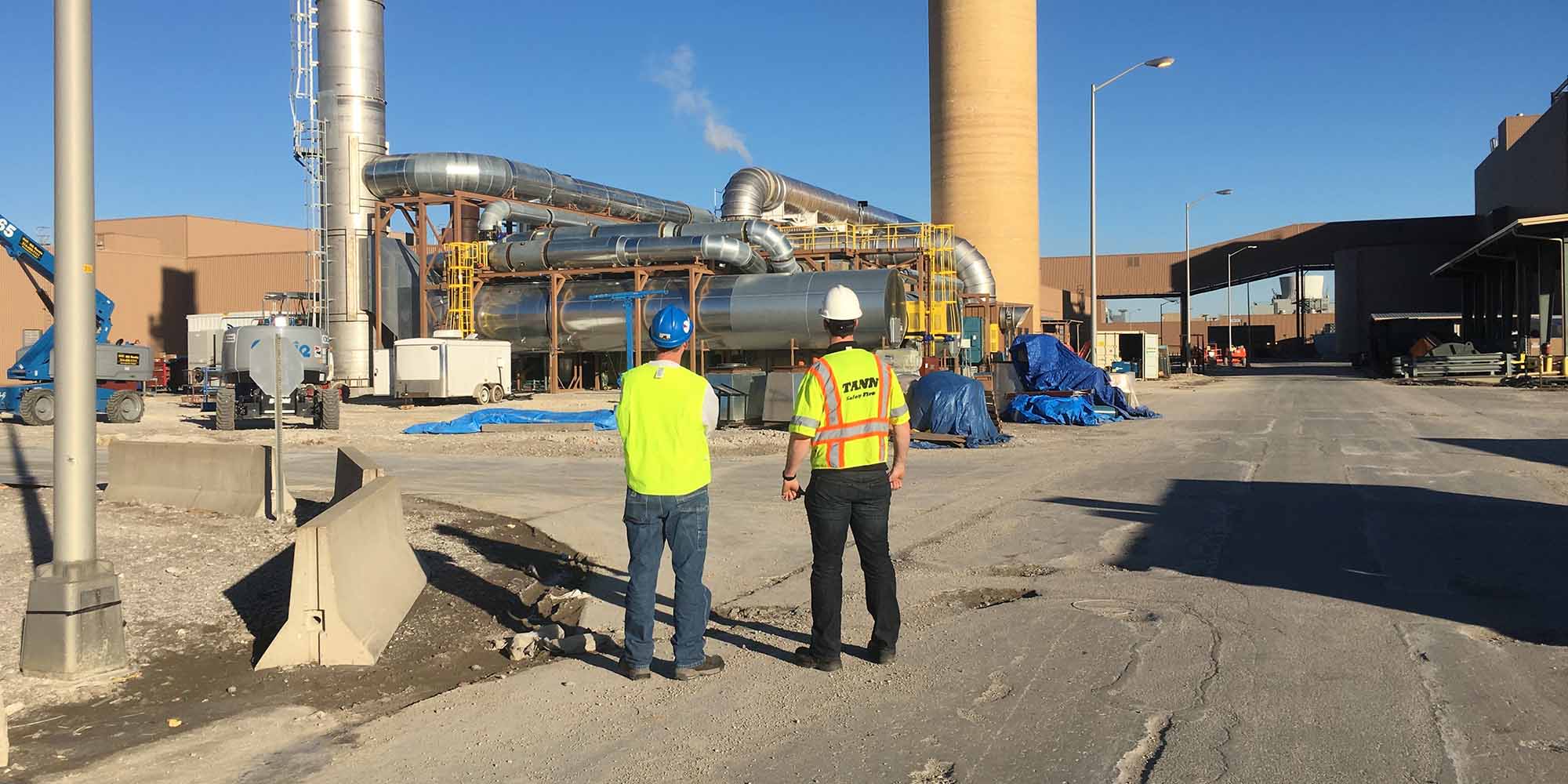
RTO manufacturer selection is one of the most consequential equipment decisions a facility will make. A regenerative thermal oxidizer (RTO) is a custom-engineered capital asset. It runs for 20 to 30 years. The questions you ask during the evaluation process determine whether you end up with a system that performs reliably for decades or one that creates ongoing headaches. Because every RTO targets a specific application, the manufacturer’s capabilities directly affect performance, compliance reliability, and total cost of ownership. Unlike commodity equipment, an RTO cannot be swapped out easily once installed. The system becomes a permanent part of your facility’s emission control infrastructure. This guide covers the essential questions to ask before you buy. Use it to evaluate any RTO manufacturer with confidence and clarity.
What an RTO Manufacturer Should Know About Your Application
The first question to ask any RTO manufacturer concerns experience. Specifically, has this company handled your industry, your exhaust chemistry, and your airflow characteristics before? Application engineering forms the foundation of system performance. An experienced manufacturer evaluates your process exhaust in detail. They identify compounds that affect system design. Then they recommend a configuration optimized for your operating conditions.
Every industrial application generates a unique exhaust profile, and the RTO must match it. Automotive paint booths produce different VOC concentrations than pharmaceutical solvent recovery systems. Packaging printing operations create yet another set of challenges. Chemical processing facilities may introduce corrosive compounds that affect materials selection. A manufacturer with broad industry experience has encountered these variations. As a result, they can anticipate design requirements that a less experienced firm might miss.
Exhaust variability also matters. Some facilities run steady-state processes with consistent airflow and VOC loading. Others experience batch operations with wide swings in concentration throughout the day. The RTO manufacturer should explain how their system design accounts for your operating profile. A system designed for steady-state conditions may struggle with highly variable loads if the controls and burner system are not configured properly.
Verify Industry Experience and Scale
Ask specifically about the number of systems the manufacturer has installed in your industry. Request reference contacts you can speak with directly. If the RTO manufacturer cannot provide relevant references, that gap should prompt further evaluation. When you do speak with references, ask about the manufacturer’s responsiveness during both the project and the years of service that followed. Those conversations often reveal more than any proposal document.
You should also ask about the range of airflow volumes the manufacturer handles. RTO equipment comes in a wide range of capacities. Standard configurations span 5,000 to 80,000 SCFM. Large installations handle up to 400,000 SCFM. A manufacturer should demonstrate experience at the scale your application requires.
How to Evaluate RTO Manufacturer Design Capabilities
System design determines long-term operating cost and performance. Ask whether the manufacturer offers custom-designed systems or only standard catalog models. A custom-engineered RTO delivers better performance and lower operating costs than an off-the-shelf unit. Your facility’s airflow volume, VOC concentration, temperature profile, and operating schedule all influence the optimal configuration. A system designed without accounting for these variables may consume more fuel, require more maintenance, or fail to meet your permit requirements.
Specific design questions to ask include the following:
- Two-chamber vs. three-chamber configuration: The RTO manufacturer should explain which design fits your application. They should provide a clear rationale based on your destruction efficiency requirements.
- Ceramic media selection: Different media types suit different applications. The manufacturer should recommend a configuration based on your exhaust chemistry. They should not simply default to a standard option.
- Valve type and configuration: Valve design affects system reliability. It also influences maintenance requirements over the full life of the equipment.
- Energy recovery integration: If your facility can use recovered heat for process heating or HVAC, the manufacturer should evaluate secondary energy recovery during the design phase.
A manufacturer that invests engineering time before proposing a solution demonstrates the technical depth you need. That early investment also results in a more accurate cost estimate. It reduces the risk of change orders during fabrication and installation. Ask the RTO manufacturer to walk you through their thermal oxidizer design process. They should be able to explain how they size the combustion chamber, select the bed depth, and calculate expected thermal efficiency. A manufacturer that can articulate these details has the engineering depth to back their proposal.
RTO Manufacturer Quality Control and Fabrication Standards
Where and how the system gets built matters as much as the design itself. Ask the RTO manufacturer whether fabrication occurs in-house or through subcontractors. A manufacturer that controls the entire build, from steel cutting through final assembly, delivers more consistent quality than one relying on third-party fabrication. This control also gives the manufacturer accountability for the finished product from end to end.
In-house manufacturing allows direct oversight of every weld, every refractory installation, and every quality checkpoint. Outsourced fabrication reduces the manufacturer’s control over build quality and delivery timelines. It also complicates the resolution of issues that arise during construction. For a piece of RTO equipment expected to operate for decades, that consistency is critical.
Ask about welding certifications, refractory installation procedures, and quality control documentation. Refractory quality is particularly important. The combustion chamber operates at approximately 1,500°F on a continuous basis. Poor refractory installation can lead to hot spots, heat loss, and premature structural damage. A manufacturer with experienced refractory crews and documented installation procedures delivers a more durable system.
A credible manufacturer should also describe their factory testing protocols. These steps verify system integrity before shipment. They work best when the manufacturer owns the facility and controls the process. If the manufacturer cannot describe a clear quality control program, consider that a warning sign.
Installation, Commissioning, and Startup Support
Ask whether the RTO manufacturer provides turnkey installation or relies on third-party contractors. A single point of accountability from design through startup eliminates finger-pointing. If problems arise during commissioning, you want the same team that designed the system on-site to resolve them. That continuity also accelerates troubleshooting. Turnkey delivery also means the manufacturer coordinates the ductwork connections, electrical integration, and controls programming. This coordination reduces the risk of miscommunication between multiple contractors.
Proper commissioning confirms that the RTO performs as designed under actual operating conditions. During commissioning, the manufacturer should verify destruction efficiency, thermal efficiency, and airflow capacity. They should test each parameter against the design specifications. Ask what documentation you will receive. That documentation becomes the baseline for evaluating system performance in future years. It also serves as evidence of compliance during regulatory inspections.
Operator training is equally important. Your maintenance staff need to understand the control system and the switching sequence. They should know the alarm conditions and the routine inspection points. A manufacturer that provides thorough training during startup sets your team up for years of reliable operation. Without that knowledge transfer, your staff relies on guesswork when issues arise. Good training also reduces the frequency of unnecessary service calls. It empowers your team to handle routine adjustments independently.
Aftermarket Service: The RTO Manufacturer’s Long-Term Commitment
An RTO runs for 20 to 30 years. Over that lifespan, you will need ceramic media replacement, valve maintenance, and control system upgrades. You will also need compliance testing, spare parts, and potentially a full refurbishment. The EPA’s monitoring guidance for thermal oxidizers outlines the performance parameters that must remain within compliance limits throughout the equipment’s life. The manufacturer’s aftermarket service organization protects your investment for decades after installation. It is as important as the quality of the initial equipment.
Ask the following questions about aftermarket support:
- 24/7 technical support: Can you reach a knowledgeable engineer outside of business hours when a system issue threatens production or compliance?
- On-site response time: How quickly can a service technician arrive at your facility for an emergency?
- Ceramic media programs: Does the manufacturer offer scheduled media replacement and inspection programs to maintain thermal efficiency?
- Spare parts inventory: Does the manufacturer stock common replacement parts for rapid shipment? Custom fabrication with long lead times can extend downtime significantly.
- PLC and burner upgrades: Can the manufacturer upgrade aging control systems and burner technology to improve efficiency?
- Compliance testing: Does the manufacturer offer stack testing coordination and verification services? Regular compliance testing confirms that your system continues to meet permit requirements over time.
A strong aftermarket program reduces unplanned downtime, extends equipment life, and maintains the destruction efficiency your permit requires. Without aftermarket support, you must find third-party service providers. Those providers may lack access to the original thermal oxidizer design documentation. That gap increases both cost and risk. Over a 20- to 30-year equipment lifecycle, aftermarket service costs can rival the initial capital investment. Choosing an RTO manufacturer with a proven service track record protects your total cost of ownership.
Red Flags When Evaluating an RTO Manufacturer
Certain warning signs during the evaluation process suggest an RTO manufacturer may fall short. Recognizing these indicators early saves time and money. The cost of choosing the wrong manufacturer extends far beyond the purchase price. It includes unplanned downtime, compliance violations, and premature equipment replacement.
Proposals that lack engineering detail should raise immediate concerns. If a manufacturer quotes a system without thoroughly evaluating your exhaust characteristics, the resulting design may miss your compliance requirements. Similarly, a refusal to guarantee destruction efficiency in writing signals a lack of confidence in the proposed design.
Be cautious of unusually low pricing. Competitive bids are expected in any RFQ process. However, proposals that fall significantly below others may indicate shortcuts on materials, fabrication, or system features. Those shortcuts often surface as performance problems or higher maintenance costs later. Ask what each proposal includes and excludes so you can compare them on an equal basis.
Watch for manufacturers with no dedicated service organization. If the company that builds your RTO cannot support it after installation, you assume that responsibility yourself. For a system expected to run for decades, that gap creates significant risk. You may face extended downtime while searching for a qualified third-party technician.
Also verify that the manufacturer can provide reference installations in your industry. A company that cannot connect you with satisfied customers in similar applications has not yet demonstrated its ability to handle your requirements. References validate both the equipment quality and the working relationship you can expect. Speaking with references also gives you insight into how the manufacturer handles problems and warranty claims when they arise.
Final Thoughts
Selecting an RTO manufacturer requires evaluating far more than the initial price tag. Engineering depth, fabrication quality, installation support, and aftermarket service all determine how the equipment will perform over the next 20 to 30 years. Asking the right questions upfront protects your facility from compliance risk, unplanned downtime, and avoidable operating costs over the system’s full lifespan. The manufacturer you choose becomes a long-term strategic partner. Their capabilities shape your facility’s compliance posture for decades.
Start the evaluation with a thorough engineering study. Provide your prospective RTO manufacturer with complete data on your exhaust volume, pollutant composition, and regulatory requirements. Include your operating schedule and any known exhaust variability. The more detail you share upfront, the more accurate the proposal will be. A qualified regenerative thermal oxidizer manufacturer will use that data to develop a detailed, application-specific proposal. The quality of that proposal will tell you a great deal about the quality of the partnership you can expect. The EPA’s Air Pollution Control Cost Manual provides additional guidance on evaluating oxidizer system costs and performance criteria.
Learn More About Our RTO Systems
Explore how system design and integration impact long-term performance.
Need Help Evaluating Your Application?
Our team can help assess your system requirements and long-term operating considerations.
TANN Corporation’s engineers have been designing regenerative thermal oxidizer systems for 40+ years, serving manufacturers across every industry with VOC compliance requirements. Our engineering team evaluates each application individually, recommending system configurations optimized for specific exhaust characteristics and compliance obligations. From initial assessment through installation and decades of ongoing support, we deliver complete emission control solutions. Contact us today for a free quote or to learn more.