
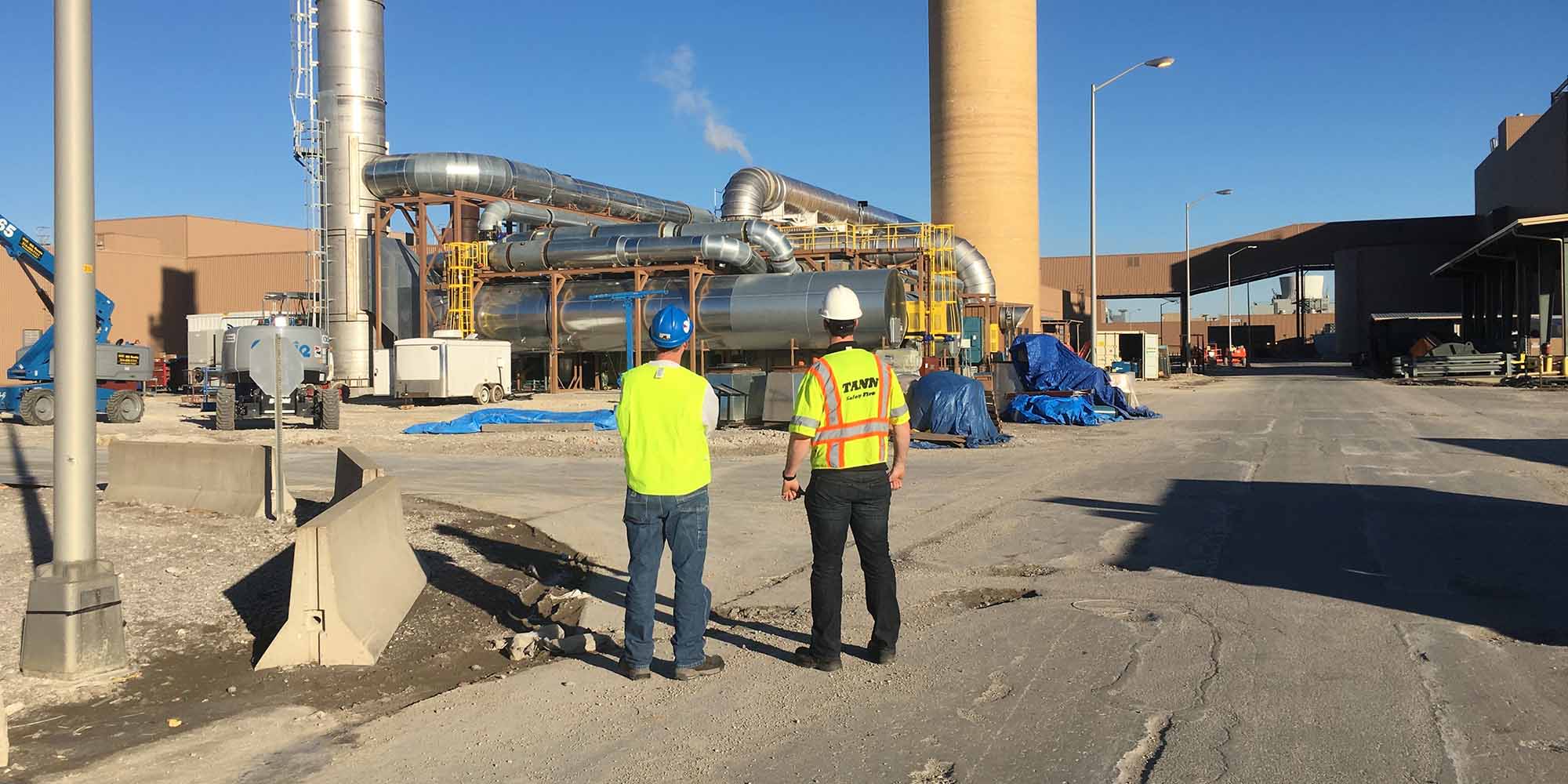
Thermal pollution control has become a core responsibility for manufacturers that care about air quality, community health, and long-term business viability. Modern thermal oxidizers convert VOC-laden hot exhaust into clean discharge—often achieving 99%+ destruction efficiency while sharply reducing fuel use through heat recovery. Consequently, facilities can meet stringent standards and lower their environmental footprint at the same time.
Moreover, regulations keep tightening worldwide; therefore, thermal pollution control is both an environmental imperative and a practical business necessity. Companies that invest early typically find side benefits: lower energy spend, more predictable compliance, and stronger community relations. Additionally, partnering with an experienced thermal oxidizer manufacturer or RTO manufacturer helps translate policy into day-to-day operating wins.
Understanding Thermal Pollution
Thermal pollution: the release of heated air or water (often with pollutants) at temperatures well above ambient, degrading local air quality and stressing ecosystems.
Typical sources include: paint lines and ovens; curing and drying; reactor vents; rendering and cooking; and other high-temperature processes. Without treatment, the combination of heat plus VOCs/HAPs drives smog formation, odor complaints, and health risks.
Key environmental impacts to manage:
- Air quality degradation: ozone precursors and odors that affect nearby communities.
- Thermal disturbance: persistent heat plumes that amplify local heat-island effects.
- Ecosystem stress: vegetation impacts and, where relevant, heated water discharges that harm aquatic life.
Bottom line: Thermal pollution control mitigates both the chemical and the thermal load, protecting people and ecosystems while supporting reliable operations.
How Thermal Oxidizers Prevent Environmental Damage
Thermal oxidizers destroy organic pollutants by oxidizing them to CO₂ and H₂O at high temperature (typically ~1,400–1,500°F) with sufficient residence time and mixing. When designed and tuned correctly, oxidizers eliminate toxic compounds and odors while discharging air near ambient temperatures.
What makes this environmentally protective:
- Complete oxidation: temperature, time, and turbulence are engineered for target DRE.
- Tight control: modern PLCs regulate burners, monitor temperatures/flows, and prevent secondary pollutants.
- Measured outcomes: stack tests and continuous monitoring verify results.
Result: Thermal pollution control using proven oxidation chemistry removes the hazard (organic compounds) and reduces the heat burden on the environment.
Thermal Pollution Control Technologies
Regulatory goals are consistent—high destruction, low impact—but technology choices differ in heat recovery and energy profile:
Regenerative Thermal Oxidizer (RTO):
- How it works: ceramic media absorbs and returns heat, achieving 95–97% thermal efficiency; valves reverse flow every 2–4 minutes.
- Environmental upside: minimal supplemental fuel—many units run self-sustaining at load—so lower CO₂ footprint.
- Best for: high flows and steady duty.
- Who builds them: experienced regenerative thermal oxidizer manufacturers offering optimized thermal oxidizer design, proper media selection, and reliable valves.
Recuperative Thermal Oxidizer:
- How it works: shell-and-tube or plate exchangers preheat inlet air; ~40–80% thermal efficiency.
- Best for: medium flows or intermittent duty where RTO payback is longer.
Catalytic Oxidizer / Regenerative Catalytic Oxidizer (hybrid):
- How it works: precious-metal catalyst enables oxidation at ~600–700°F; hybrid designs add ceramic media recovery.
- Benefits: lower temperature and potentially lower fuel use—when the stream is clean and compatible with catalysts.
Direct-Fired Oxidizer:
- How it works: burner + chamber; no heat recovery.
- Use case: low annual hours, pilot/emergency venting; highest fuel use in continuous service.
Key takeaway: For most high-volume applications, RTOs deliver the strongest environmental performance per unit of fuel burned. Where conditions fit, catalytic and recuperative options also provide credible thermal pollution control with different economics.
Industrial Applications That Depend on Oxidizers
- Automotive paint operations: large, steady flows (often 50,000–100,000+ SCFM) with solvent mixes; RTOs dominate.
- Chemical processing: batch and continuous vents with varied chemistry; robust RTOs or specialized designs.
- Pharmaceutical manufacturing: stringent validation and high DRE targets; tightly controlled RTOs or catalytic where compatible.
- Food processing and rendering: odor-heavy exhaust with moisture/particulate; engineered RTO internals and regenerative thermal oxidizer maintenance plans reduce fouling and complaints.
Across these sectors, thermal pollution control enhances air quality, enables capacity growth without proportional emissions, and supports community trust.
Regulatory Compliance and Standards
What regulators typically require:
- Destruction efficiency: ≥95% VOCs and often ≥98–99% for specific pollutants.
- Operating constraints: temperature, residence time, and monitoring/recordkeeping.
- Verification: acceptance testing (commissioning), periodic stack tests, and continuous monitoring.
Accordingly, a capable rto thermal oxidizer program includes:
- Documented setpoints and alarms: prove the unit operated in-spec.
- Data capture: temperature/ΔP/flows archived for audits.
- Change control: adjustments recorded for traceability.
Compliance is easier—and cheaper—when performance is designed in and continuously verified.
Environmental Benefits You Can Measure
- Emission reduction: 99%+ destruction of VOCs/HAPs cuts regional ozone contributors and odors.
- Lower carbon impact: RTO heat recovery slashes fuel consumption; hybrids and recuperatives also reduce burner duty.
- Sustainable capacity: higher production without higher emissions when thermal pollution control scales alongside processes.
- Community outcomes: fewer odor complaints, healthier vegetation, and better public perception.
Practically speaking, well-engineered RTOs convert environmental obligations into predictable, measurable wins.
Implementing Effective Thermal Pollution Control
Start with characterization:
- Map sources: flows, temperatures, VOC/HAP species, and duty cycles.
- Set targets: DRE, thermal efficiency, and monitoring requirements tied to permits and corporate ESG goals.
Select technology intentionally:
- High flow / steady duty: prioritize RTO for efficiency and resilience.
- Clean, lean streams / compact footprint: consider catalytic or regenerative catalytic.
- Medium flow / intermittent duty: evaluate recuperative options.
- Low hours / emergency venting: direct-fired can fit.
Engineer for outcomes:
- Thermal oxidizer design: chamber sizing for residence time; uniform temperature; pressure-drop control.
- Energy balance: media selection, exchanger sizing, and insulation to meet fuel-use targets.
- Controls and safety: purge logic, flame supervision, high-temp and low-flow protection.
Plan the lifecycle:
- Regenerative thermal oxidizer maintenance: scheduled valve/seal work, media inspections/cleaning, instrumentation calibration.
- KPIs to track: DRE, thermal-efficiency trend, ΔP across beds/exchangers, uptime, and mean time between failures.
Vendor due diligence:
- Look for: a proven regenerative oxidizer builder with parts on hand, 24/7 service, and commissioning/testing expertise.
- Verify: references in similar chemistry/duty, acceptance test protocols, and response-time commitments.
In short, thermal pollution control succeeds when design, operations, and maintenance are treated as one system.
FAQs
Does thermal pollution control always require an RTO? Not always—RTOs lead for high flow/steady duty; catalytic/recuperative may be optimal for specific chemistries or schedules.
How “clean” is the discharge? Properly designed systems emit primarily CO₂, H₂O, and N₂, typically near ambient temperature and well below opacity limits.
What drives fuel savings? Heat recovery: ceramic media in RTOs (95–97% thermal efficiency) and exchangers in recuperatives; catalysts lower reaction temperature where compatible.
Who should design and support the system? Engage an experienced RTO manufacturer or broad-capability thermal oxidizer manufacturer that offers multiple technologies and can support testing, upgrades, and maintenance.
Final Thoughts
Thermal pollution control converts hot, contaminated exhaust into clean, near-ambient air—protecting communities while improving plant efficiency. For most high-volume applications, RTOs provide the strongest environmental return by marrying 99%+ destruction with industry-leading heat recovery. Catalytic and recuperative designs round out the toolkit for specific chemistries and duty cycles. Ultimately, the best results come from disciplined engineering, verified performance, and a maintenance program that keeps efficiency high for decades.
TANN Corporation’s engineers have been designing regenerative thermal oxidizer systems for 40+ years, serving manufacturers across every industry with VOC compliance requirements. Our engineering team evaluates each application individually, recommending system configurations optimized for specific exhaust characteristics and compliance obligations. From initial assessment through installation and decades of ongoing support, we deliver complete emission control solutions. Contact us today for a free quote or to learn more.