
Thermal Oxidizers for Industrial Emissions Control
Thermal oxidizers are widely used to destroy volatile organic compounds (VOCs) and hazardous air pollutants in industrial exhaust streams. By using high temperatures to break down contaminants, these systems convert harmful emissions into carbon dioxide and water vapor before discharge. TANN designs and manufactures thermal oxidizer systems engineered for performance, durability, and long-term reliability. Each system is tailored to the application, considering airflow, VOC loading, process conditions, and energy efficiency requirements.
What Is a Thermal Oxidizer?
A thermal oxidizer is an air pollution control system designed to eliminate VOC emissions and hazardous air pollutants generated during industrial processes. These systems operate by heating contaminated exhaust air to a temperature where organic compounds oxidize, converting them into less harmful gases. Thermal oxidizers are commonly used in industries such as coatings, printing, chemical processing, and manufacturing where solvent-based emissions must be controlled. Their reliability and effectiveness make them one of the most widely used technologies for industrial emissions control.How Thermal Oxidizers Destroy VOC Emissions
Process exhaust containing VOCs enters the thermal oxidizer through an inlet duct system. The air stream is heated to oxidation temperature, typically between 1,400°F and 1,600°F, where VOCs chemically react with oxygen.
This oxidation process converts harmful organic compounds into carbon dioxide (CO₂) and water vapor (H₂O), significantly reducing environmental impact and helping manufacturers maintain compliance with emissions regulations.
Depending on system design, heat from the cleaned exhaust stream can be recovered and reused to improve energy efficiency and reduce fuel consumption.

Key Thermal Oxidizer System Components
A thermal oxidizer system depends on properly engineered components that work together to capture process exhaust, control airflow, maintain oxidation temperature, recover heat, and support safe operation.
Combustion Chamber
The combustion chamber provides the controlled high-temperature environment needed for VOC destruction.
Burner System
Burners provide heat during startup and help maintain operating temperature when the process stream does not generate enough heat on its own.
Fans, Ductwork & Airflow
Fans, ductwork, dampers, and valves move process exhaust through the system and help maintain proper capture and treatment.
Heat Recovery
Heat recovery components reduce fuel consumption by using heat from the clean exhaust stream to preheat incoming process air.
Controls & Instrumentation
PLC controls, HMI screens, sensors, safety interlocks, and alarms help operators monitor performance and troubleshoot issues.
Valves & Isolation
Reliable valve operation and sealing help control airflow, support capture efficiency, and maintain consistent performance in multi-chamber systems.
Types of Thermal Oxidizers
Different thermal oxidizer designs are used depending on application requirements, including airflow, VOC concentration, operating schedules, and energy efficiency goals.
Regenerative Thermal Oxidizers (RTO)
RTO systems use ceramic media beds to capture and reuse heat from the exhaust stream, providing some of the highest thermal efficiencies available in industrial emissions control applications.
Recuperative Thermal Oxidizers
Recuperative oxidizers use stainless steel heat exchangers to recover heat from the clean exhaust stream and transfer it back into the incoming process air.
Direct Thermal Oxidizers
Direct thermal oxidizers provide a simple and cost-effective solution for lower airflow applications and processes with higher solvent concentrations.
Why TANN Thermal Oxidizer Systems
TANN designs and manufactures thermal oxidizer systems with a focus on reliability, serviceability, and long-term industrial performance. Each system is engineered around the application to support dependable VOC destruction and efficient operation.
- Engineered and manufactured in-house
- Heavy-duty industrial construction
- Custom system designs based on application requirements
- Heat recovery options available for improved efficiency
- Experienced engineering and service support teams
- Long-term maintenance, troubleshooting, and upgrade support
Engineering and Manufacturing Capabilities
TANN provides complete system design, fabrication, installation, and service support for thermal oxidizer systems. Our engineering team works directly with customers to evaluate process conditions, emissions requirements, airflow demands, and operational goals.
A major advantage of working with TANN is our in-house manufacturing capability. By designing and fabricating systems within our own facility, we maintain control over quality, scheduling, and long-term system performance.
- Integrated Engineering & Fabrication: Engineering and manufacturing teams work closely together throughout the project lifecycle to support practical, serviceable system designs.
- Heavy-Duty Industrial Construction: Systems are built for demanding manufacturing environments where reliability and long-term durability are critical.
- Project Coordination: TANN supports system integration, installation planning, and coordination with plant operations and scheduled shutdowns.
- Long-Term Service Support: Ongoing maintenance, troubleshooting, upgrades, and technical support are available throughout the life of the equipment.
This integrated approach allows TANN to deliver thermal oxidizer systems designed for reliable operation, dependable emissions performance, and long-term industrial service.
Applications for Thermal Oxidizer Systems
Thermal oxidizers are used across a wide range of industries where VOC emissions and hazardous air pollutants must be controlled efficiently. System selection depends on airflow, contaminant loading, process conditions, fuel usage, and operating requirements.
- Automotive manufacturing
- Paint and coatings operations
- Chemical processing
- Printing operations
- Packaging products
- Wood products manufacturing
- Pharmaceutical manufacturing
- Food processing
Thermal Oxidizer Cost Considerations
Thermal oxidizer cost depends on the full project scope, not just the equipment price. Airflow, VOC loading, oxidizer technology, materials, controls, installation requirements, and long-term operating goals all affect the final budget.
System Size & Airflow
Higher airflow generally requires larger equipment, fans, ductwork, heat recovery sections, fabrication, and installation planning.
Process Conditions
VOC loading, moisture, particulate, temperature, and corrosive compounds can influence materials, filtration, access points, and maintenance requirements.
Technology Selection
RTOs, RCOs, recuperative oxidizers, and direct-fired oxidizers each have different capital costs, fuel usage, maintenance needs, and long-term operating costs.
Controls & Automation
PLC platforms, HMI screens, remote access, data logging, alarms, and plant integration can affect upfront cost and long-term troubleshooting.
Installation Scope
Foundations, crane planning, ductwork, utilities, electrical work, gas piping, field installation, and startup support all impact total installed cost.
Total Cost of Ownership
Fuel use, thermal efficiency, maintenance access, reliability, and serviceability often matter as much as the initial equipment cost.
For a deeper breakdown of project budgeting, review our Thermal Oxidizer Cost Guide.
Why Manufacturers Choose TANN
TANN combines engineering, manufacturing, installation, and service support under one roof. Our systems are designed for industrial durability, dependable emissions performance, and long-term operational value.
Engineered for the Application
We evaluate each process based on emissions characteristics, airflow, and operating requirements to recommend the right oxidizer design.
Built for Industrial Reliability
Our systems are designed for demanding manufacturing environments where uptime, durability, and serviceability matter.
Supported Beyond Installation
TANN provides ongoing service, maintenance, troubleshooting, upgrades, and technical support throughout the life of the system.
Frequently Asked Questions About Thermal Oxidizers
Our Thermal Oxidizer Systems
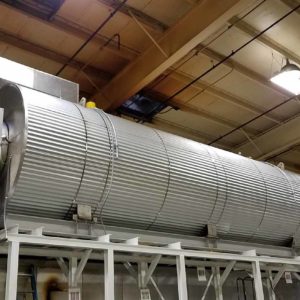
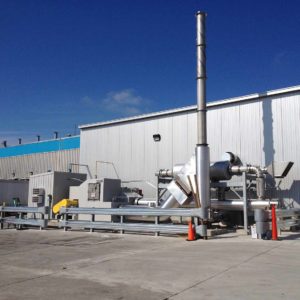
Explore available thermal oxidizer systems below, including regenerative, catalytic, recuperative, and direct fired options.


Talk to an Engineer About Your Thermal Oxidizer Application
Whether you are evaluating a new system, replacing existing equipment, or planning upgrades for current operations, TANN can help identify the right thermal oxidizer solution for your application.