
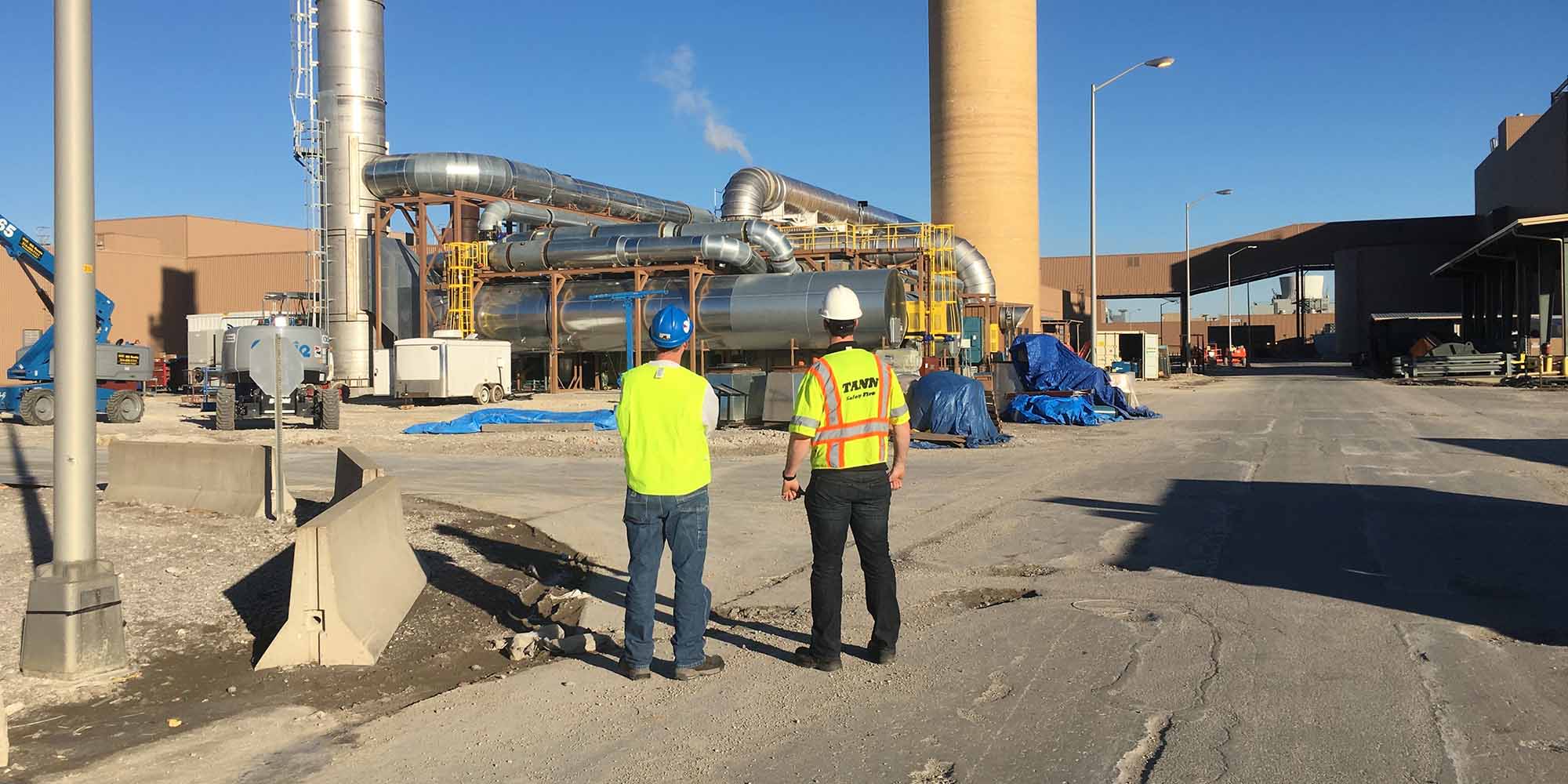
RTO system performance depends on more than whether the equipment can destroy VOCs. A strong regenerative thermal oxidizer system needs to control emissions, recover heat efficiently, maintain stable airflow, support reliable operation, and remain serviceable over the life of the equipment.
This guide explains the main performance factors facility teams should review when evaluating an RTO system. It covers destruction efficiency, thermal efficiency, airflow capacity, system configuration, controls, maintenance, and long-term operating considerations. If you are evaluating a new system, visit our regenerative thermal oxidizer systems page.
What an RTO System Does
A regenerative thermal oxidizer destroys volatile organic compounds, hazardous air pollutants, and other process emissions by heating contaminated exhaust to oxidation temperature. Once the exhaust reaches the combustion chamber, VOCs are converted into carbon dioxide and water vapor before the cleaned air exits through the stack.
The key advantage of an RTO is regenerative heat recovery. Ceramic media beds capture heat from the outgoing clean air stream and transfer that heat back into the incoming process exhaust. This allows the system to reuse much of its own thermal energy instead of relying entirely on supplemental fuel.
That heat recovery process is what separates RTO systems from less efficient thermal oxidizer designs. In many industrial applications, strong thermal efficiency can have a major impact on long-term operating cost.
For a step-by-step explanation of the airflow cycle, read our guide on how regenerative thermal oxidizers work.
Key RTO Performance Factors
When comparing RTO systems, it helps to look beyond the basic equipment description. Performance depends on how the system is engineered around the actual exhaust stream, production schedule, permit requirements, and long-term maintenance needs.
The most important performance factors include:
- Destruction removal efficiency
- Thermal efficiency
- Airflow capacity
- Combustion chamber temperature
- Residence time
- Pressure drop
- Valve cycle timing
- Ceramic media condition
- Controls and monitoring capability
- System uptime and serviceability
Each of these factors affects compliance, fuel use, maintenance planning, and total cost of ownership.
Destruction Efficiency
Destruction removal efficiency, often referred to as DRE, measures how effectively the system destroys VOCs in the exhaust stream. Properly designed RTO systems commonly achieve destruction efficiencies around 99%, depending on application conditions and system configuration.
Destruction efficiency depends on three basic operating conditions: temperature, time, and turbulence. The system must maintain the correct combustion chamber temperature, provide enough residence time for oxidation to occur, and create proper mixing between the contaminated exhaust and available oxygen.
Stack testing is used to verify actual destruction efficiency under operating conditions. These results are important for compliance documentation and can also help identify whether system performance is changing over time.
Thermal Efficiency
Thermal efficiency measures how effectively the system recovers and reuses heat. Modern RTO systems can reach thermal efficiencies in the 95% to 97% range, which can significantly reduce natural gas consumption compared to lower-efficiency oxidizer designs.
This matters because fuel use is often one of the largest long-term operating expenses. A system with stronger heat recovery may have a higher upfront cost, but the fuel savings can become significant over years of operation.
In some applications, VOC loading is high enough for the system to operate in self-sustain mode. When that happens, the burner can shut off during production because the heat released from VOC oxidation is enough to maintain operating temperature.
Learn more about system efficiency and heat recovery on our RTO systems page.
Airflow Capacity and Operating Range
RTO systems need to be sized around the actual exhaust profile of the facility. Airflow volume, VOC concentration, exhaust temperature, moisture content, and production variability all influence the final design.
Undersizing creates compliance and production risk. Oversizing can increase capital cost, fan energy use, and operating inefficiency. The goal is to provide enough capacity for current production while allowing reasonable margin for future changes.
Important sizing considerations include:
- Current airflow volume
- Peak airflow conditions
- Future production growth
- VOC concentration range
- Moisture and particulate content
- Exhaust temperature
- Available footprint
- Ductwork routing
- Permit requirements
An engineering study can help define system requirements before a major equipment decision is made.
System Configuration
RTO configuration affects destruction efficiency, capital cost, operating performance, and maintenance access. Two-chamber systems are commonly used in many industrial applications and offer a simpler design. Three-chamber systems add a purge phase that helps reduce untreated emissions during valve transitions.
The right configuration depends on the application. Facilities with stricter destruction efficiency requirements may need a three-chamber design. Other applications may be well served by a two-chamber system when it is properly engineered around the exhaust stream and permit conditions.
Ceramic media selection also affects system performance. Media type, bed depth, installation quality, and long-term condition all influence heat recovery and pressure drop. Over time, fouled or damaged media can reduce efficiency and increase operating cost.
Controls and Monitoring
Controls are a major part of long-term RTO performance. A modern control system manages valve timing, burner modulation, temperature monitoring, alarms, safety interlocks, and system sequencing.
Strong controls make the system easier to operate and troubleshoot. They also provide visibility into developing problems before those issues become expensive. Temperature trends, pressure drop changes, burner behavior, and valve cycle data can all help identify performance drift.
Controls upgrades can also extend the useful life of older systems. A mechanically sound oxidizer may still benefit from improved PLC hardware, operator interface updates, better data logging, or remote monitoring capability.
Applications Across Industries
RTO systems are used across many manufacturing sectors because they can handle a wide range of VOC concentrations, airflow volumes, and operating schedules.
Common applications include:
- Automotive paint finishing
- Printing and packaging
- Coating and converting
- Chemical processing
- Pharmaceutical manufacturing
- Wood finishing
- Adhesive coating
- Food and flavor processing
- Semiconductor manufacturing
Each industry has different performance priorities. A printing facility may focus heavily on fuel savings and self-sustaining operation. A pharmaceutical facility may place more emphasis on documentation and verified destruction efficiency. A chemical processing facility may require more attention to exhaust variability and materials of construction.
For more application-specific information, visit our industries and applications page.
Cost and Long-Term Ownership
RTO performance should be evaluated over the full life of the system, not just at the time of purchase. Capital cost matters, but fuel use, maintenance, uptime, and compliance reliability often have a larger impact over a 20 to 30 year equipment life.
Major cost factors include:
- Airflow capacity
- System configuration
- Materials of construction
- Controls requirements
- Installation conditions
- Fuel consumption
- Fan energy use
- Maintenance requirements
- Future upgrade needs
A lower upfront price does not always mean lower total cost. A system with weaker heat recovery, poor access for maintenance, limited controls capability, or inadequate engineering can cost more over time.
For buyers comparing proposals, the best approach is to evaluate guaranteed performance, expected fuel use, maintenance access, service support, and long-term reliability together.
Maintenance and Performance Over Time
RTO performance can decline gradually if the system is not inspected and maintained. Ceramic media condition, valve sealing, burner tuning, pressure drop, and controls performance all affect long-term operation.
Preventive maintenance helps protect:
- Thermal efficiency
- Destruction efficiency
- System uptime
- Fuel consumption
- Compliance reliability
- Equipment life
Regular inspections can identify issues before they lead to unplanned downtime or failed performance tests. Learn more about long-term support on our thermal oxidizer service and maintenance page.
When to Evaluate Upgrades
Older RTO systems do not always need to be replaced. In many cases, targeted upgrades can restore performance, improve reliability, and extend useful life.
Common upgrade opportunities include PLC upgrades, burner control upgrades, ceramic media replacement, valve repairs, refractory repairs, and remote monitoring improvements. These upgrades can be especially valuable when the system structure is still sound but controls or components are becoming outdated.
If production requirements have changed, emissions have increased, or operating costs are rising, it may be time to evaluate whether an upgrade, refurbishment, or replacement makes the most sense.
Final Thoughts
RTO system performance depends on design, installation, operation, maintenance, and long-term support. A system that is properly specified and maintained can provide reliable VOC destruction, strong heat recovery, and consistent compliance for decades.
The best starting point is accurate application data. Airflow, VOC concentration, exhaust chemistry, temperature, moisture, and permit requirements all help determine the right system design.
Looking for a regenerative thermal oxidizer system designed around your application? Visit our RTO systems page or speak with an engineer.
Need Help Evaluating an RTO System?
TANN Corporation designs, manufactures, services, and supports regenerative thermal oxidizer systems for demanding industrial applications. Whether you’re comparing system options, reviewing performance requirements, or planning upgrades, our engineering team can help you determine the right path forward.