
Regenerative Thermal Oxidizers for Filter Paper Manufacturing
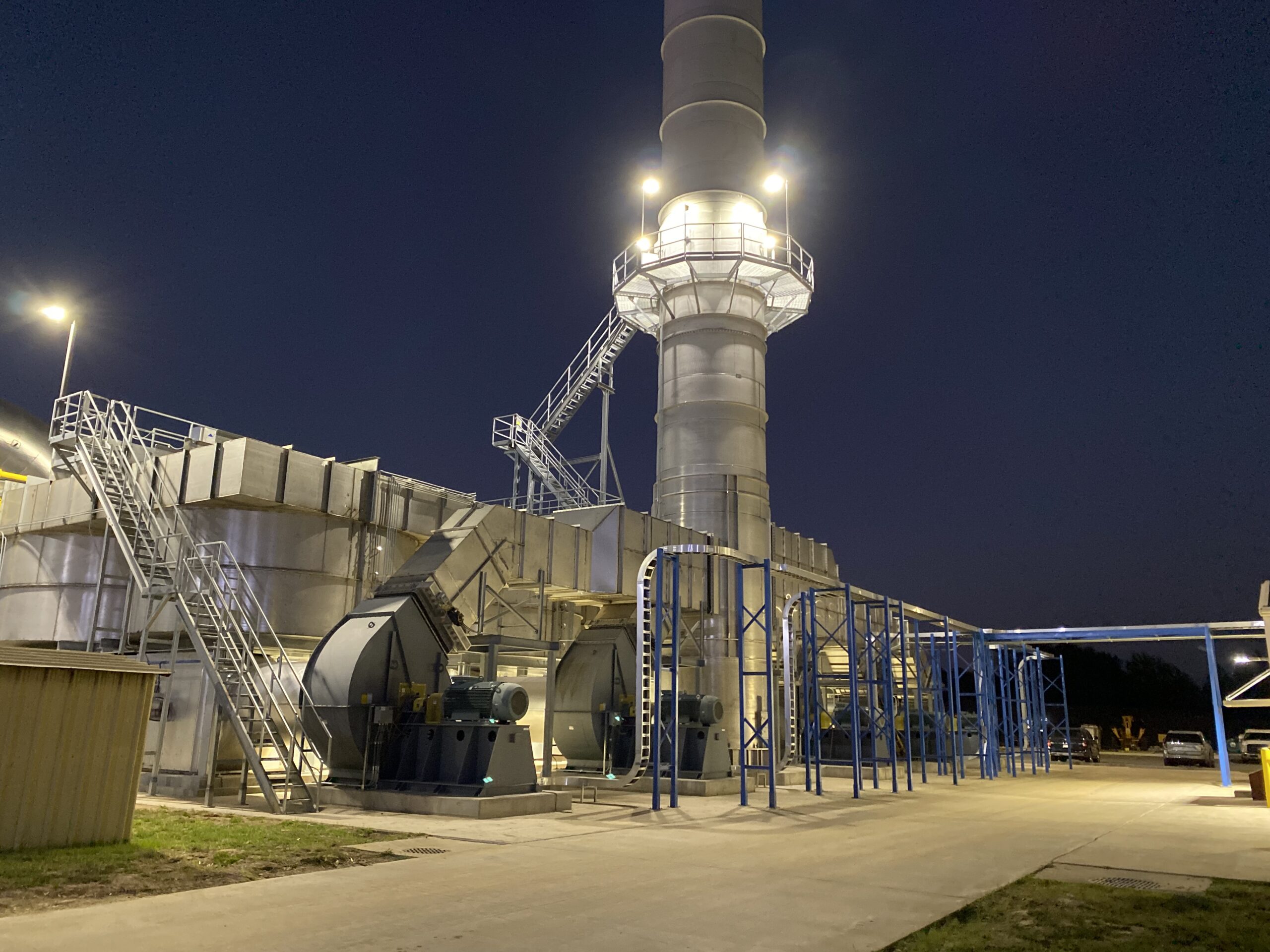
Filter paper and oil filter paper manufacturing runs high solvent loads and calls for a high destruction efficiency to match. Many of these systems also make sense as a heat recovery opportunity, with a boiler integrated onto the RTO to put that heat to work rather than exhausting it. TANN designs a regenerative thermal oxidizer for filter paper manufacturing with both of those realities in mind.
Why Filter Paper Manufacturing Needs an RTO Built for High Solvent Loads
Filter paper and oil filter paper production, particularly resin impregnation steps, generates exhaust with high solvent concentrations. That drives a high destruction efficiency requirement, since a system running at the edge of its capability won't hold up to consistent, high-load operation over time. A regenerative thermal oxidizer for filter paper manufacturing needs to be sized and controlled with that load in mind from the start.
Because solvent loading runs high in this application, there's also a real heat recovery opportunity. TANN can integrate a boiler onto the RTO system, so the heat the oxidizer generates gets put to use elsewhere in the plant instead of simply being exhausted. That turns an emissions control requirement into a source of usable process heat.
Filter media manufacturing that involves resin or solvent-based coating generally falls under EPA's AP-42 Chapter 4 documentation for evaporation loss sources, including the paper coating section. A regenerative thermal oxidizer for filter paper manufacturing needs to meet that standard while also handling the solvent load this process generates.
What Makes Filter Paper Manufacturing a Demanding RTO Application
A regenerative thermal oxidizer for filter paper manufacturing has to handle a few things at once:
- High solvent concentrations from resin impregnation and coating steps
- A high destruction efficiency requirement that has to hold up under consistent, high-load operation
- A real opportunity for heat recovery, given how much heat this solvent load generates
- A boiler that can be integrated onto the system to put that heat to productive use
Built for What This Application Demands
TANN engineers and fabricates regenerative thermal oxidizer systems in-house at our Kaukauna, Wisconsin facility. For filter paper manufacturing, that means designing for high solvent loads and heat recovery together, not as separate add-ons.
Sized for High Solvent Load
TANN sizes and controls the system around the solvent concentrations typical of resin impregnation and coating steps, so destruction efficiency holds steady under sustained, high-load operation.
Integrated Boiler Option
A boiler can be integrated directly onto the RTO system, turning the heat generated by high solvent loads into usable steam or hot water for the plant instead of exhausting it.
Consistent High-Load Performance
The system is designed to maintain destruction efficiency over long, high-solvent duty cycles rather than just meeting the requirement under ideal, lower-load conditions.
High solvent loads aren't just a compliance challenge in this application, they're a heat recovery opportunity. A well-designed system can turn that heat into something the plant actually uses.
What Filter Paper RTOs Are Up Against
Knowing what stresses a regenerative thermal oxidizer for filter paper manufacturing helps facilities plan maintenance and heat recovery decisions, and helps them spot a system that wasn't designed for this kind of solvent load in the first place.
High Solvent Concentrations
Resin impregnation and coating steps can push solvent loading higher than many other applications, which raises the bar for combustion stability and destruction efficiency.
Sustained High-Load Operation
This isn't an occasional spike, high solvent loading tends to be a normal operating condition, so the system needs to hold performance over long duty cycles, not just brief peaks.
Boiler Integration Complexity
Tying a boiler into the oxidizer system adds another piece of equipment to design around, coordinate, and maintain alongside the RTO itself.
Media Fouling from Resin Carryover
Resin and solvent byproducts can foul ceramic heat exchange media over time, raising pressure drop and lowering thermal efficiency if left unaddressed.
Destruction Efficiency Verification
A high destruction efficiency requirement means testing and ongoing verification carry more weight in this application than in a lower-load process.
Combustion System Drift
Like any continuously operating oxidizer, combustion components and controls can drift over time. Temperature deviations affect destruction efficiency, fuel use, and compliance reporting, regardless of the process being served.
TANN Supports Your System for the Long Term
A regenerative thermal oxidizer for filter paper manufacturing needs to hold destruction efficiency under sustained solvent load and keep any integrated boiler running smoothly alongside it. So TANN stays involved from initial engineering through the full operating life of the system.
Engineering and Fabrication
TANN engineers and fabricates every RTO in-house at our Kaukauna, Wisconsin facility, with high solvent load and boiler heat recovery designed in together from the start.
Installation and Startup
TANN provides installation support, commissioning, and operator training, including guidance on operating the RTO and integrated boiler as a coordinated system.
Annual Inspections
Scheduled inspections check media, controls, and boiler integration points before small issues affect destruction efficiency or heat recovery output.
Destruction Efficiency Testing Support
TANN can help facilities prepare for destruction efficiency testing, since a well-maintained system performs consistently under sustained high-solvent operation.
Media Service
TANN's service team can support cleaning or replacement of media affected by resin and solvent carryover over time.
24/7 Emergency Response
TANN's service team is available around the clock. When an unplanned issue affects your emissions control system, our team can troubleshoot remotely and mobilize qualified technicians to your facility when you need them most.
Warning Signs a Filter Paper RTO Needs Attention
In a high solvent, high destruction efficiency application like this one, small warning signs are worth catching early, before they show up in test results or heat recovery output.
Performance Indicators
- Rising pressure drop across the media beds
- Increasing fuel consumption without a change in production volume
- Destruction efficiency results trending toward permit limits
- Reduced heat output to the boiler without a change in solvent load
Operational Observations
- Visible resin residue building up faster than the usual cleaning schedule accounts for
- Boiler performance that no longer matches expected heat recovery from the RTO
- Destruction efficiency test results trending the wrong way, even slightly
- Any system that hasn't had a documented inspection in over 12 months
Ready to discuss your filter paper facility's emissions control requirements?
Whether you're planning a new regenerative thermal oxidizer for filter paper manufacturing, or looking to add heat recovery to an existing system, TANN is ready to help. Our engineering team designs for high solvent load and heat recovery together, so your system stays efficient and compliant.