What happens when a facility cannot afford downtime—but needs more capacity?
For many manufacturers, expanding production is not as simple as installing a new system. In facilities where uptime is critical, any disruption can impact throughput, schedules, and overall plant performance. That is especially true when an existing regenerative thermal oxidizer (RTO) system is already supporting daily operations.
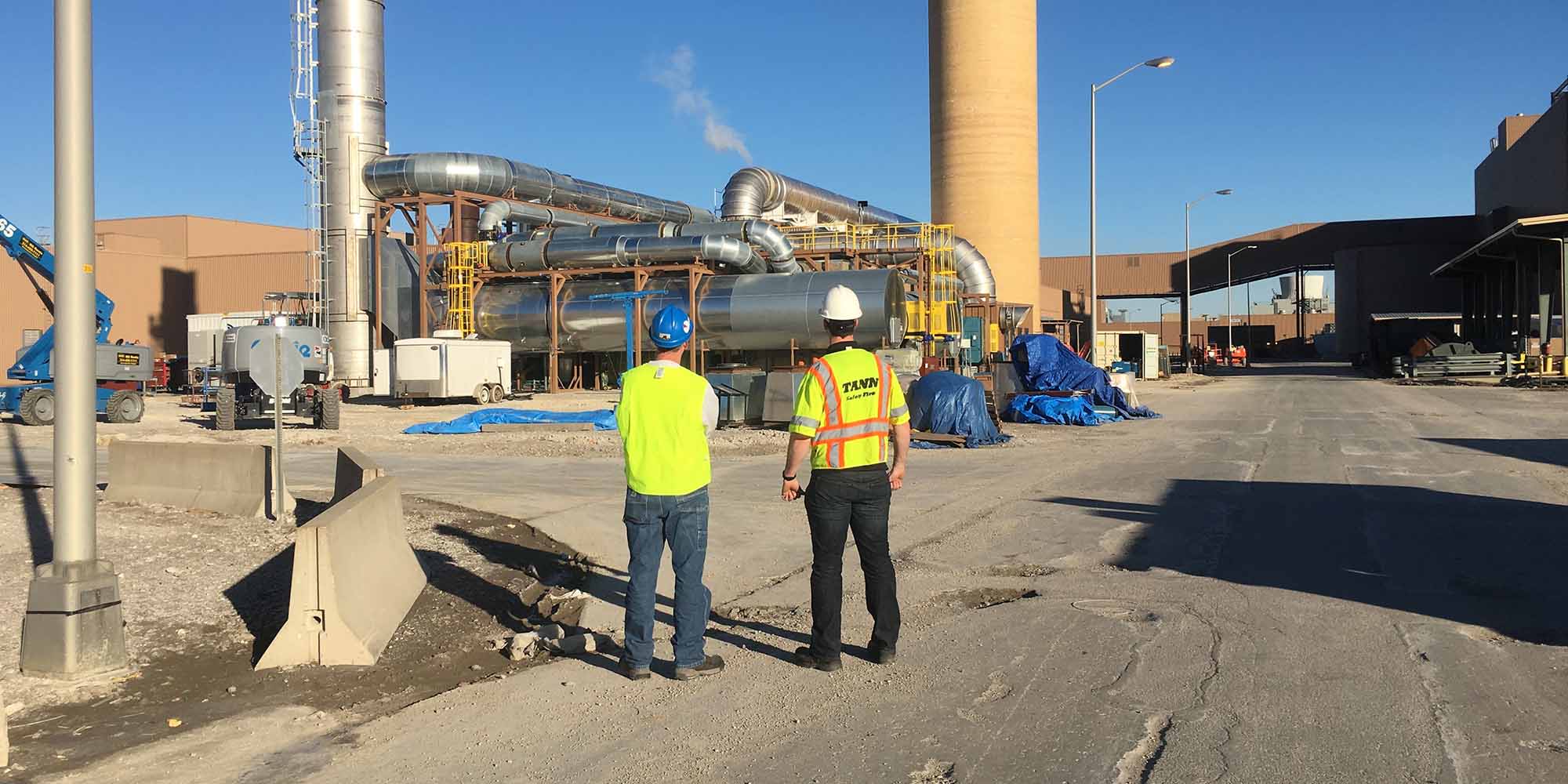
We are currently building a 50,000 SCFM regenerative thermal oxidizer designed to operate in tandem with an existing system. Rather than replacing the original unit, this tandem RTO system is being engineered to increase capacity while helping the facility maintain continuous operation.
For facilities evaluating thermal oxidizers, regenerative thermal oxidizer system design is not only about airflow. It is about integration, reliability, maintenance flexibility, and long-term performance under real operating conditions.
In this project, the objective was clear: create an industrial air pollution control solution that supports higher demand without introducing unnecessary operational risk.
The Challenge: Increasing Capacity Without Downtime
As production demands increase, facilities face a difficult choice. They can expand capacity or maintain uptime. In many cases, they cannot do both.
Shutting down operations to install new equipment is often not an option. For this facility, the existing regenerative thermal oxidizer (RTO) system supports daily production. Any disruption would directly impact output.
The team needed more than an additional unit. They needed a system that could integrate with existing equipment and operate without interrupting production.

The Solution: A Tandem RTO System
Instead of replacing the existing system, this RTO was designed to operate in tandem—allowing both systems to work together under varying production conditions.
This approach provides operational flexibility and helps ensure the facility can continue running even if one unit is taken offline for maintenance or unexpected issues.
By distributing load across multiple systems, the facility gains both increased capacity and improved reliability.

Engineering for Real-World Conditions
Designing a tandem system requires more than standard engineering. Our team worked directly with plant managers on-site to evaluate the existing system and understand how it operates under real production conditions.
This collaboration ensured the new system was designed to integrate seamlessly—accounting for airflow, system balance, and operational variability.
The result is a system designed not just for specifications, but for real-world performance.

Engineered and Manufactured In-House
From valves to reaction chambers to media beds, every component of this regenerative thermal oxidizer system is engineered and manufactured in-house.
This level of control allows our engineering and fabrication teams to work together throughout the entire build process. Design decisions are made with fabrication in mind, and adjustments can be made quickly as the system takes shape.
For a tandem RTO system, that coordination is critical. Each component must not only perform on its own, but also integrate seamlessly with an existing system already in operation.
By keeping engineering, panel building, and fabrication under one roof, we are able to deliver systems that are built for real-world conditions—not just specifications on paper.

The Result: Capacity and Continuity
By implementing a tandem regenerative thermal oxidizer (RTO) system, the facility is able to increase production capacity while maintaining continuous operation.
Instead of relying on a single system, this approach provides built-in redundancy—allowing one unit to be taken offline for maintenance while the other continues to support production.
For facilities with fluctuating production demands or increasing solvent loads, tandem RTO systems offer a more flexible and reliable approach to air pollution control.
When downtime is not an option, system design must go beyond airflow and capacity. It must prioritize integration with existing systems, operational reliability, and long-term performance under real-world conditions.