
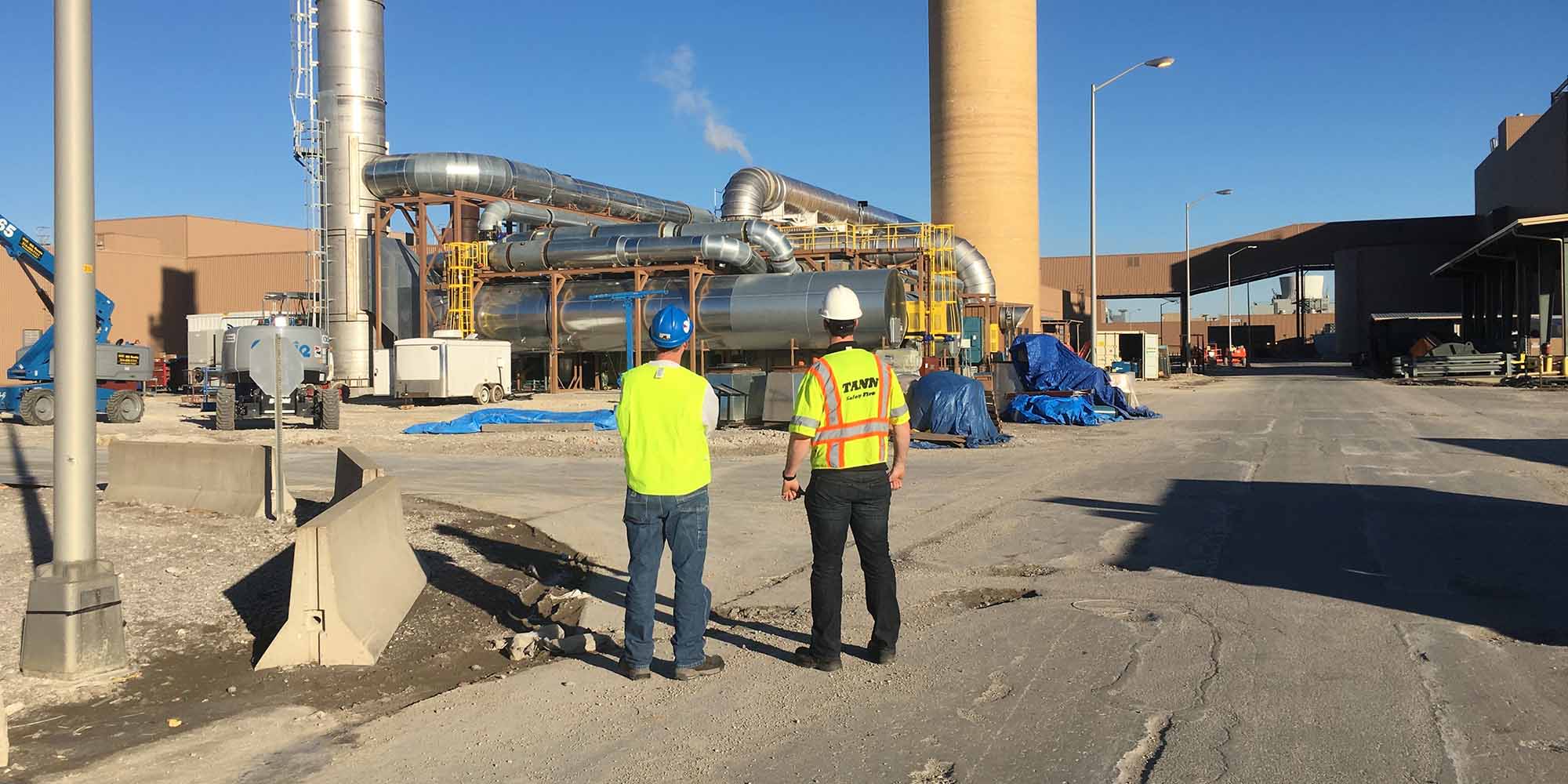
Regenerative thermal oxidizers are long-term compliance assets. When they are properly specified, installed, maintained, and upgraded, RTO systems can deliver reliable VOC destruction and strong thermal efficiency for decades.
This guide explains the major phases of RTO lifecycle management: specification, installation, operation, maintenance, upgrades, refurbishment, and replacement planning. For facilities evaluating a new system, visit our regenerative thermal oxidizer systems page.
1. Specification: Getting the System Right Before It Is Built
The lifecycle of an RTO begins before fabrication starts. Exhaust volume, VOC concentration, process temperature, moisture content, chemistry, and permit requirements all affect system design.
Incomplete application data can lead to undersized equipment, unnecessary fuel use, compliance risk, or expensive field modifications. A properly specified system is designed around the actual process conditions it will need to handle.
Important specification factors include:
- Airflow volume and future production growth
- VOC and HAP composition
- Destruction efficiency requirements
- Two-chamber vs. three-chamber configuration
- Ceramic media selection
- Materials of construction
- Controls and monitoring needs
- Site layout and ductwork constraints
For facilities still comparing system options, an engineering study can help define the correct path before a purchase decision is made.
2. Installation and Commissioning
Once an RTO is manufactured, installation quality has a direct impact on long-term performance. Site preparation, ductwork routing, electrical connections, burner setup, and controls integration all need to match the engineered design.
Commissioning confirms that the system performs as intended before it becomes part of daily production. During startup, technicians verify airflow, valve timing, combustion chamber temperature, burner operation, safety interlocks, and system controls.
Baseline data from commissioning becomes important later. If fuel use increases, pressure drop changes, or destruction efficiency declines, the original startup data provides a reference point for troubleshooting.
3. Operation: Monitoring Performance Over Time
The operating phase is where the system earns its value. A well-maintained RTO can provide decades of reliable compliance, but performance issues rarely appear all at once. They usually develop gradually.
Facilities should monitor:
- Combustion chamber temperature
- Pressure drop across ceramic media beds
- Valve cycle timing
- Burner operation
- Fuel consumption trends
- Airflow changes
- Stack test results
- Alarm history
Changes in these areas can indicate media fouling, valve wear, burner issues, airflow restrictions, or controls problems. Catching those trends early usually costs less than waiting for a failed compliance test or unplanned outage.
For a deeper explanation of the RTO operating process, read our guide on how regenerative thermal oxidizers work.
4. Preventive Maintenance
Preventive maintenance is one of the most important parts of RTO lifecycle management. It protects thermal efficiency, destruction performance, uptime, and long-term operating cost.
Common maintenance priorities include:
- Ceramic media inspection and replacement planning
- Valve inspection and seal evaluation
- Burner tuning and calibration
- Controls verification
- Safety interlock testing
- Fan and ductwork inspection
- Pressure drop monitoring
- Annual service reviews
Ceramic media condition is especially important because media directly affects heat recovery. When media becomes fouled, damaged, or inefficient, the system may require more fuel to maintain operating temperature.
Learn more about long-term support on our thermal oxidizer service and maintenance page.
5. Upgrades and Modernization
An aging RTO does not always need to be replaced. In many cases, targeted upgrades can extend system life, improve reliability, and restore performance.
Common upgrade opportunities include:
- PLC and controls upgrades
- Burner management upgrades
- Valve repairs or replacement
- Ceramic media replacement
- Refractory repairs
- Fan or airflow improvements
- Remote monitoring improvements
Controls upgrades are often one of the highest-value improvements for older systems. Modern PLCs and operator interfaces can improve diagnostics, data logging, alarm visibility, and long-term serviceability.
For systems that still have a strong mechanical foundation, modernization can be more cost-effective than full replacement.
6. Refurbishment vs. Replacement
Eventually, every oxidizer reaches a point where the owner needs to decide whether to refurbish, upgrade, or replace the system. The right answer depends on structural condition, compliance performance, operating cost, parts availability, and changing production needs.
Refurbishment may make sense when the main structure is still sound but key components need renewal. Replacement may make more sense when the system is undersized, structurally deteriorated, inefficient, or no longer aligned with the facility’s production requirements.
A lifecycle evaluation should consider:
- Current system condition
- Recent maintenance history
- Fuel usage trends
- Compliance test history
- Production changes
- Available footprint
- Cost of upgrades vs. new equipment
- Expected remaining service life
When a new system is the better long-term option, TANN can help evaluate the application and recommend an appropriate industrial RTO system.
7. Lifecycle Planning by Industry
Lifecycle priorities vary by industry. A printing facility with steady solvent loading may focus heavily on fuel savings and self-sustaining operation. A pharmaceutical facility may place more emphasis on documentation, validation, and destruction efficiency. A chemical processing facility may require more attention to exhaust variability and materials of construction.
Industry-specific factors can affect:
- System sizing
- Materials selection
- Maintenance frequency
- Controls requirements
- Stack testing schedules
- Upgrade timing
- Long-term cost of ownership
This is why RTO lifecycle management should not be treated as a generic checklist. The right maintenance and upgrade strategy depends on the process, the exhaust stream, and the facility’s compliance requirements.
Final Thoughts
Regenerative thermal oxidizer lifecycle management is about protecting performance over the full life of the system. Specification decisions affect installation. Installation quality affects operation. Maintenance affects fuel use, uptime, and compliance. Upgrades and refurbishment decisions determine how long the asset can continue delivering value.
For facilities managing an existing oxidizer, the best next step is often a system inspection or engineering review. For facilities planning a new installation, the best starting point is accurate exhaust data and a clear understanding of compliance requirements.
Looking for Help With a New or Existing RTO System?
TANN Corporation designs, services, upgrades, and supports regenerative thermal oxidizer systems across a wide range of industrial applications. Whether you’re evaluating a new installation, planning upgrades, or maintaining aging equipment, our engineering team can help you determine the right path forward.
“`